Regional Australia is not a weekend campaign
A weekend in a regional town is research only if you stay long enough to miss a delivery. Capital-city brands still treat the rest of the country as a media weight and a colour grade. Distribution, trust and local media are the work. The campaign is the easy part.
Aroha Bennett, Culture Editor · 25 February 2026 · 9 min read · Updated 4 February 2026
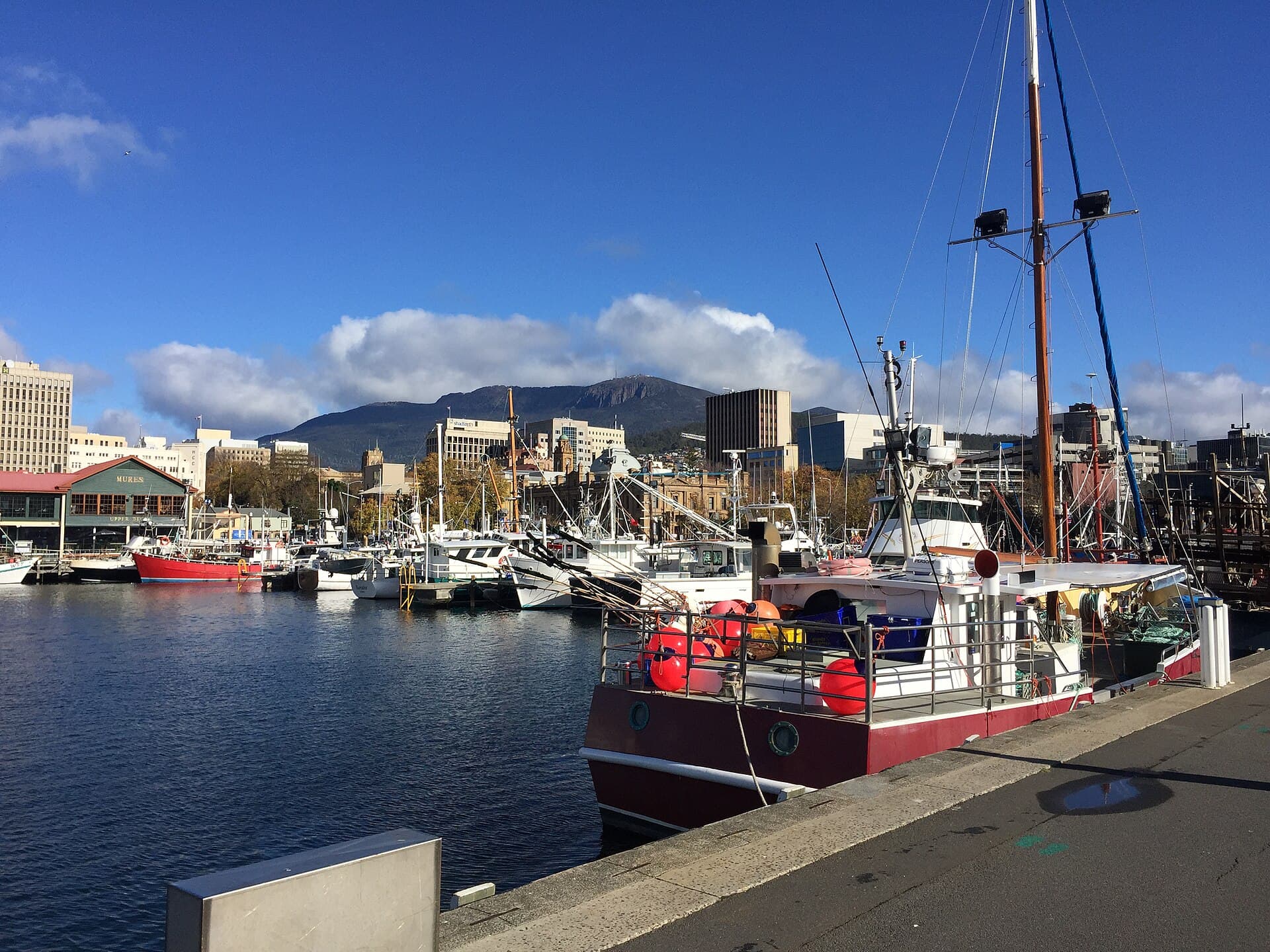
There is a version of Australia that exists mainly in a Friday-night flight and a hired car. The creative team lands, photographs a harbour or a main street, eats somewhere that has been on a list, and flies home with enough colour to grade a campaign that will be decided in Sydney or Melbourne. The town is thanked in the credits. The product may or may not be on the shelf when the advertisement runs. This is treated, in brand plans, as regional work.
It is not regional work. It is location scouting. Regional Australia — meaning, here, the cities, towns and catchments that are not the two advertising capitals, and often not Brisbane, Perth or Adelaide either — is not a weekend, a B-roll pack, or a line in a media schedule that says "plus regional". It is a set of distribution problems, media problems and trust problems that a capital-city brand will meet whether or not it bought the sunset.
The condescension is usually aesthetic. It arrives as a voice-over that slows down, a guitar, a claim about real people, a joke about the city that the city team wrote for themselves. Regional audiences have been the moral chorus of Australian advertising for a long time. They are rarely the client. If you want a brand that holds outside the capitals, stop casting the place and start operating in it.
This is an Australia problem because the country is large, the retail and media systems are thin once you leave the metro radio buy, and the trust economy is still local in ways a dashboard will flatten.
The map is not a media plan
A useful regional map for a brand is not the tourism regions. It is the map of who can get the thing, who talks about the thing, and who is believed when the thing fails.
Distribution comes first, and it is unromantic. Grocery beyond the Coles and Woolworths metro model still runs through Metcash and independent retailers, through IGA and FoodWorks and the local shop that will not take a ranging story that was written for a planogram in a city DC. Hardware, liquor, pharmacy, automotive and rural supplies each have their own independent spine. If your brand is not on those spines, a regional burst is a request that people drive to a city, or wait, or substitute. They will substitute.
Freight is part of the promise. A "delivered next day" line written for a metro 3PL is a lie in Albany, Mount Isa or Burnie. Australian Consumer Law does not care that your website footer was designed for a national mood. If you cannot fulfil, do not advertise availability. Regional customers are not more patient. They are more experienced at being promised a network and given an afterthought.
Service is the rest of the map. Who takes the product back. Who has parts. Who will come to the farm, the club, the mine camp, the high street. A Sydney contact-centre hour that assumes NBN and a spare afternoon is not a service design. Brands that win regionally often look slightly old-fashioned: a phone number that a person answers, a dealer, a rep who is in the catchment more than twice a year. That is not nostalgia. It is how trust is staffed.
Media that is still believed
The capital-city media plan still treats regional as a cheap weight. Television residuals, a radio package, a few local papers if anyone can find the rate card. Meanwhile the actual local media has been gutted, rebuilt, and moved into rooms the planner does not have a booking for.
Regional newspapers are thinner than they were, and still, in a lot of towns, the place a mayor, a coach and a furious parent will be read. ABC Local Radio remains one of the few institutions that can put a brand in a conversation that does not feel purchased, which is precisely why it will not do your brand a favour. Commercial regional radio and television — the WIN and Prime inheritance, the local breakfast team — still move shopper traffic for anyone who sells something you can drive to this week. Facebook groups and the local Buy Swap Sell are, for many catchments, the daily paper. A brand that is rude in those groups is not running a community manager problem. It is running a store manager problem.
Sponsorship is media. The footy club, the netball, the race meeting, the show, the fishing classic, the school presentation night: these are not CSR. They are how a name becomes familiar enough to be chosen when the product is interchangeable. City teams like to upgrade this into "purpose" and then underfund the junior numbers. A properly printed club jumper that arrives before the season is worth more than a purpose film shot on the same oval.
What does not work is the fly-in talent who does a regional accent for a Tuesday. What also does not work is the national celebrity who has never been in the town and will not be back. Regional trust is repetitive. One visit is tourism. The third year is a brand.
Trust is not a colour grade
City creative condescension has a look. Warm light. A wide street. A person in a hi-vis that has never seen a shift. Copy that uses "community" as a plural noun with no names in it. The town is asked to stand for authenticity, which is a job no town applied for.
Trust in a regional catchment is more specific and less flattering. It is whether your last product failed and you still have a dealer. It is whether the owner lives here, or the manager does, or nobody does. It is whether you employed anyone, sponsored anyone, or dumped a decision on the local paper. It is whether the city office overrode a ranging that the store had asked for. People remember the override.
Local ownership still matters, even when the economics are against it. Independent retailers, family companies, co-ops and the remaining regional media businesses carry a kind of credit that a national brand can rent but not fake. Renting it looks like a genuine partnership: stock that arrives, margins that do not insult the independent, marketing that the store can put their name on. Faking it looks like a "proudly supporting regional Australia" line on a pack that is allocated from a metro DC when convenient.
Governments and banks keep learning this the expensive way when they close a counter. The brand work does not fail at the announcement. It fails in the year after, when every other claim the organisation makes is read through the closed door. If your growth plan is a closed door, do not book the guitar.
A weekend warehouse can become local without being locally owned, because the format shows up, employs, and lets the club cook. That is a high bar. Most brands that want the feeling will not fund the bar. They should stop asking for the feeling.
The city creative problem
The condescension is not only in the work. It is in the process.
Research is a fly-in group in a hotel conference room, recruited as "regional consumers", as if Tamworth and Bunbury were a segment. The moderator has a discussion guide written for a metro category. The local insights are the ones that confirm the already-chosen idea. Anything that would change the distribution model is parked as implementation.
The shoot treats people as extras in their own street. Permissions are late. The pub is used for a party scene that the regulars will have to explain for a year. A council is not told. A traditional owner is not asked. Then the team is surprised that the town is not grateful for the exposure.
Language slides into kitsch or into a patronising plainness. Either everyone is a character, or everyone is a victim of the city. Australian English already has a register that can be specific about a place without performing the place. Use the toponyms. Use the correct name for the river, the mountain, the Nation. Do not invent a rural poetry. Do not flatten five states into "the regions" as if they shared a media market, a climate or a grocery competitor.
Hobart is not a region of Melbourne. It is a capital with its own taste, its own waterfront, its own capacity to spot a visiting campaign. Newcastle and Wollongong are not cute satellites; they are cities with universities, hospitals and enough advertising history to be tired. Townsville is not interchangeable with Toowoomba. A brand that cannot tell those apart will write one commercial and buy it nationally. The waste is not only media. It is the trust you spent to look generic.
What building a brand outside the capitals actually takes
Pick a catchment, not a vibe. Name the towns you will be in for three years. Put a person on them who is not a community manager in a different time zone. Give that person a budget that can buy a season of sport, a regular radio presence, and the ability to fix a ranging problem without a national committee.
Build the offer for the shop that exists. Pack sizes, price points, service kits, and type that can be read on a high street in glare. A brand that only works in a dim inner-city specialty store is a metro brand, and that is allowed. Call it that. Do not send it on tour.
Use local media as authors, not as inventory. A genuine column, a genuine sponsorship, a genuine response when the product fails on air — these are slower than a programmatic burst and harder to put in a case study. They are also how a name stops being a visitor. If you cannot take a complaint on local radio, you are not ready to advertise on it.
Hire and brief locally when you can. A designer in Launceston, a writer in Bendigo, a photographer who already knows the light and the people who do not want to be in the ad: these are not a diversity initiative. They are how you stop flying in a Saturday version of the place. When you cannot hire locally, stay long enough to be wrong in public. A weekend is not long enough to miss a delivery, sit in a shop that is waiting on a truck, or hear the meeting after the meeting.
Measure something other than prompted awareness in a regional split of a national tracker. Measure distribution, repeat, dealer retention, complaint resolution time, and whether the club still wants your name on the shirt. Awareness without those is a tourist who was noticed.
The sentence you should not write
Do not write that you are "giving back to the regions". The regions were not a charity case waiting for your burst. Do not write that people out there are more real. They are not more real. They are further from your office, which is a logistics fact, not a moral one.
Write, instead, the operational sentence. We will stand this product up in these catchments, with this service, for this long, and we will buy media that the catchment still believes. If that sentence is too expensive, the campaign is too expensive. Save the sunset for a tourism board that has a right to it.
Regional Australia will keep appearing in Australian brand work because the pictures are good and the national myth needs a paddock. That is fine for a beer commercial that has no other job. It is not a strategy for a company that wants customers outside the M1 and the tram map. Stay, stock, and speak like a person who has to come back next season. The weekend can be for the beach. It is not a brand method.
Questions readers ask
- Why do capital-city brand campaigns fail in regional Australia?
- They are built on a weekend's worth of pictures and a media weight, not on distribution, local media or the trust that decides whether a new brand is a visitor or a fixture. Regional customers can smell a fly-in idea because they have been the backdrop before.
- What should a brand fix before it books regional media?
- Whether the product is actually on the shelf, who will service a complaint, and which local voice will carry the claim after the burst ends. If those are unsolved, the burst is a tourist brochure with a tracking pixel.