Australian journal · Est. 2004

Branding Agency

A journal of Australian brand strategy, identity and practice

Long-form essays for people who have to live with a brand after the launch deck.

Archive

All essays

Every long-form piece currently on the journal, newest first. Each essay also lives in a topic hub.

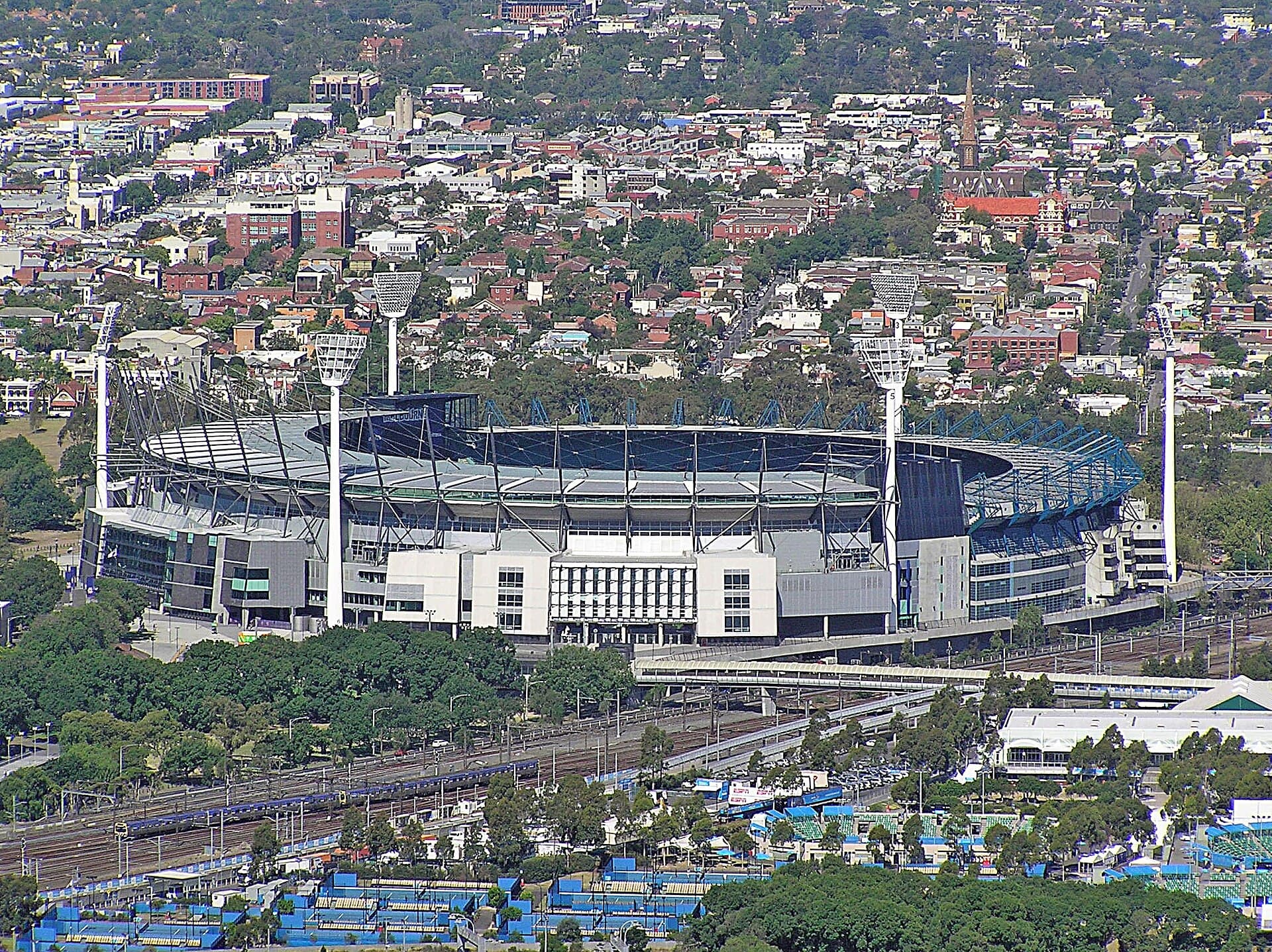
The Melbourne Cricket Ground filled for a match, with stands rising around the oval.

Australia/27 May 2026

Sport, sponsorship and the Australian brand calendar

The Australian year is still paced by sport. Brands buy the calendar and then behave as if they bought meaning. A sponsorship is a media plan with a moral risk attached. Treat it as operations — what you will fund when the team loses, and what you will say when the game becomes the news.

Aroha Bennett · 5 min read · Read the essay
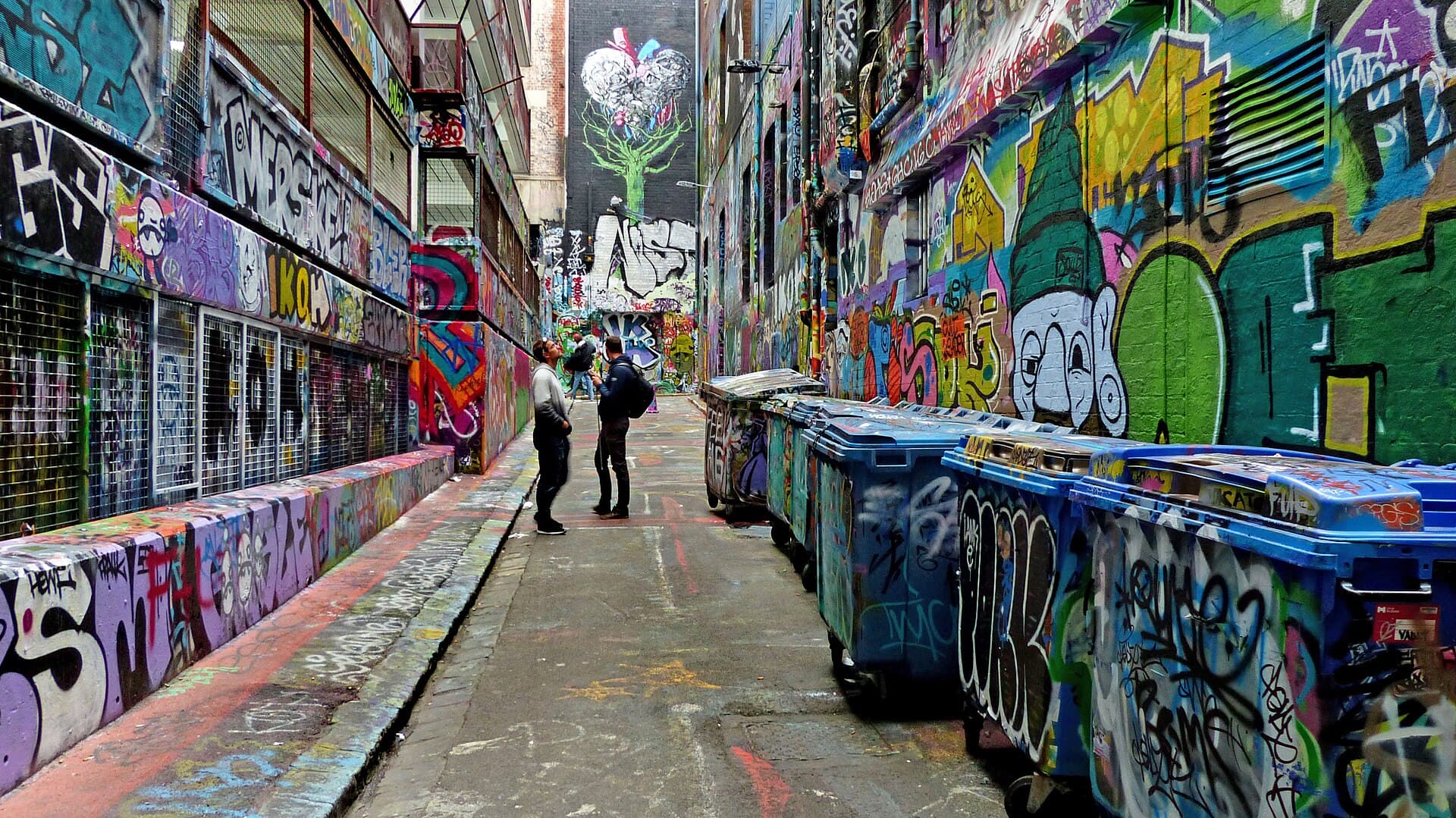
Street art covering the walls of Hosier Lane in Melbourne.

Australia/20 May 2026

The suburb as brand territory

Australian brands keep using inner-city laneways as a stand-in for the country. Most customers live in suburbs that look like themselves, not like Hosier Lane. Territory is not a shoot location. It is the shops, clubs, schools and car parks where the offer has to be true.

Aroha Bennett · 5 min read · Read the essay
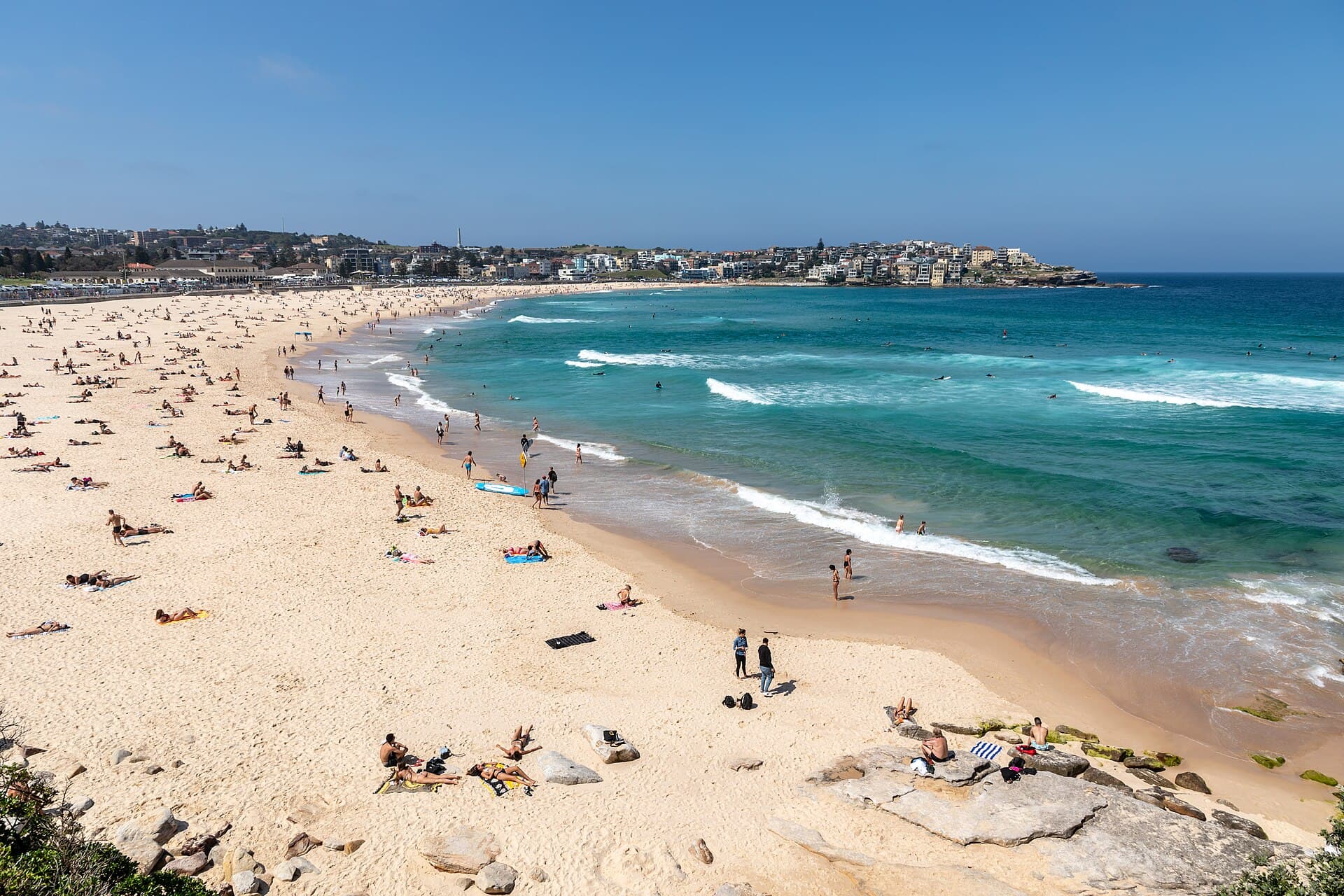
Bondi Beach in Sydney, with the curve of sand and water seen from above the headland.

Reputation/13 May 2026

Sustainability claims after the ACCC’s greenwashing years

The regulator has spent years teaching Australian brands that environmental language is a representation, not a mood. After the cases and the guidance, the only safe claim is one a sceptical customer, a scientist and a lawyer can all read the same way. That is a design problem as much as a legal one.

James Okonkwo · 5 min read · Read the essay
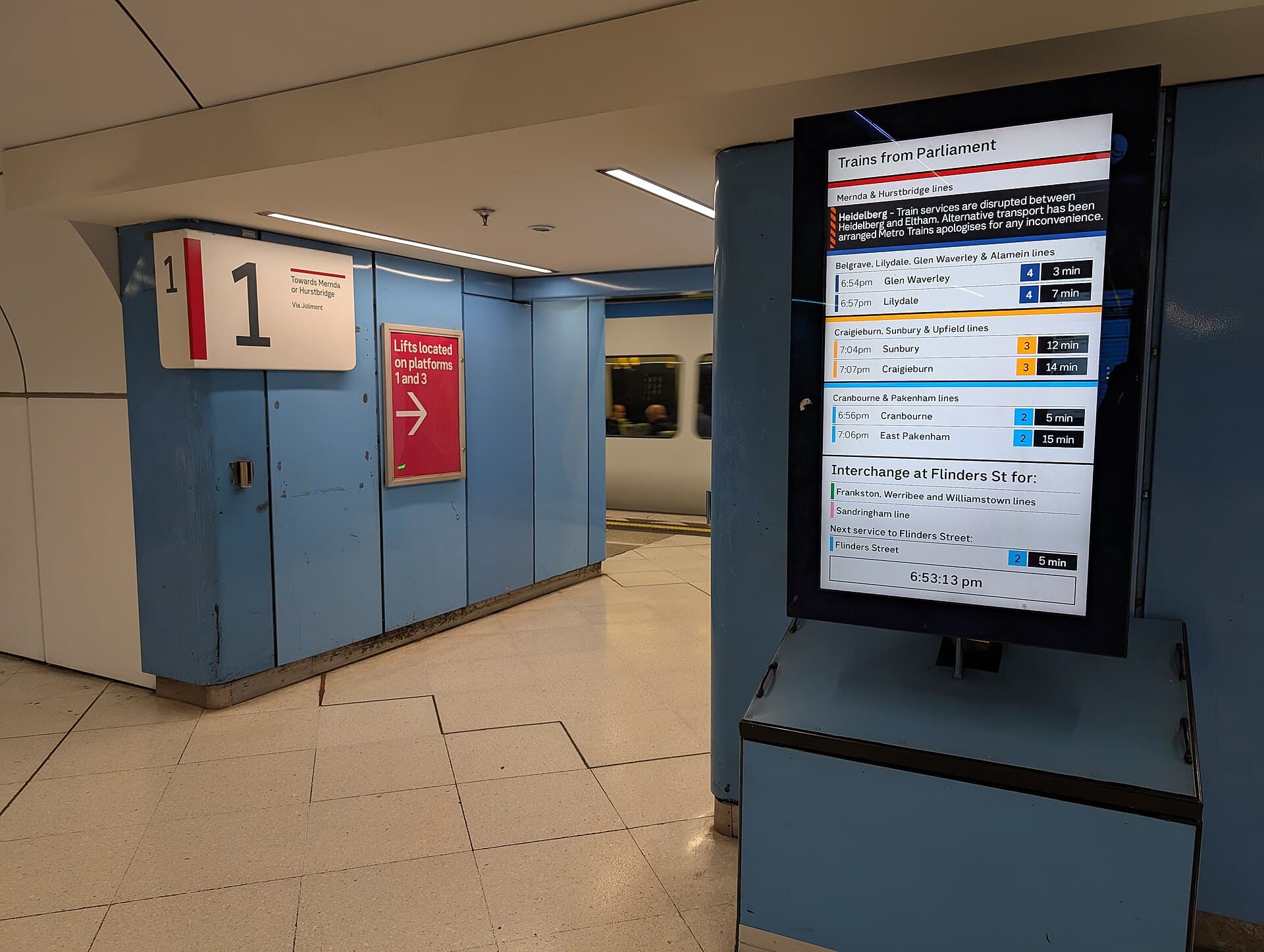
Wayfinding signs and a departure screen above a platform at Parliament railway station in Melbourne.

Identity/6 May 2026

Wayfinding as brand, not signage

A customer who cannot find the lift, the platform or the clinic has already met the brand. Australian campuses, stations, hospitals and precincts still treat wayfinding as a late signage package. It is identity at walking speed. Design it with the same seriousness as the mark.

Priya Nair · 5 min read · Read the essay
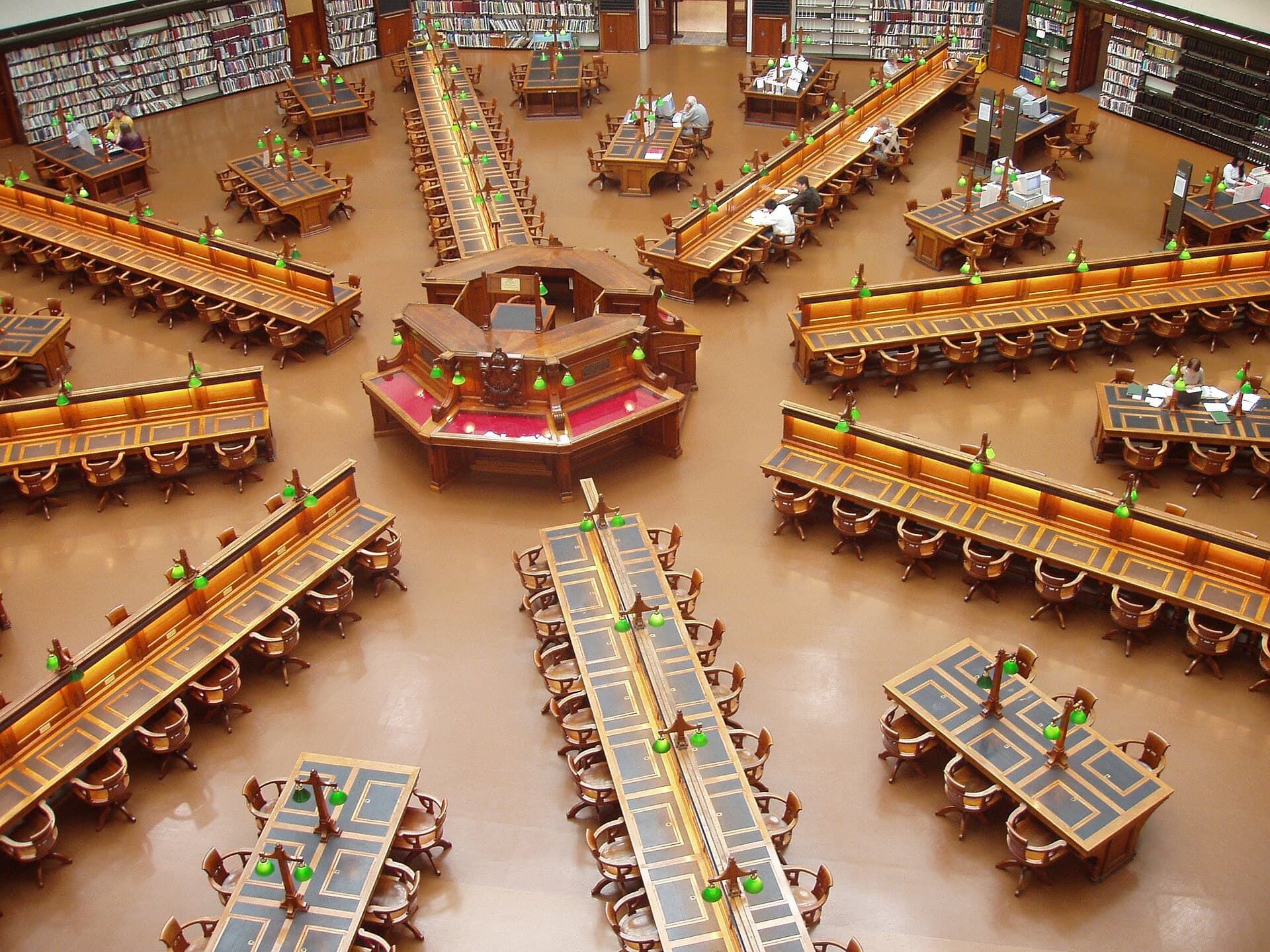
The reading room of the State Library of Victoria, with desks arranged under the dome.

Practice/22 April 2026

Measuring brand when you cannot afford a tracker

Most mid-market Australian brands do not have a continuous tracker, a brand-equity model or a research manager. They have a finance pack, a few complaints and a board that still asks whether the logo is working. You can still measure. You just have to stop pretending you are Unilever.

Elise Tan · 5 min read · Read the essay
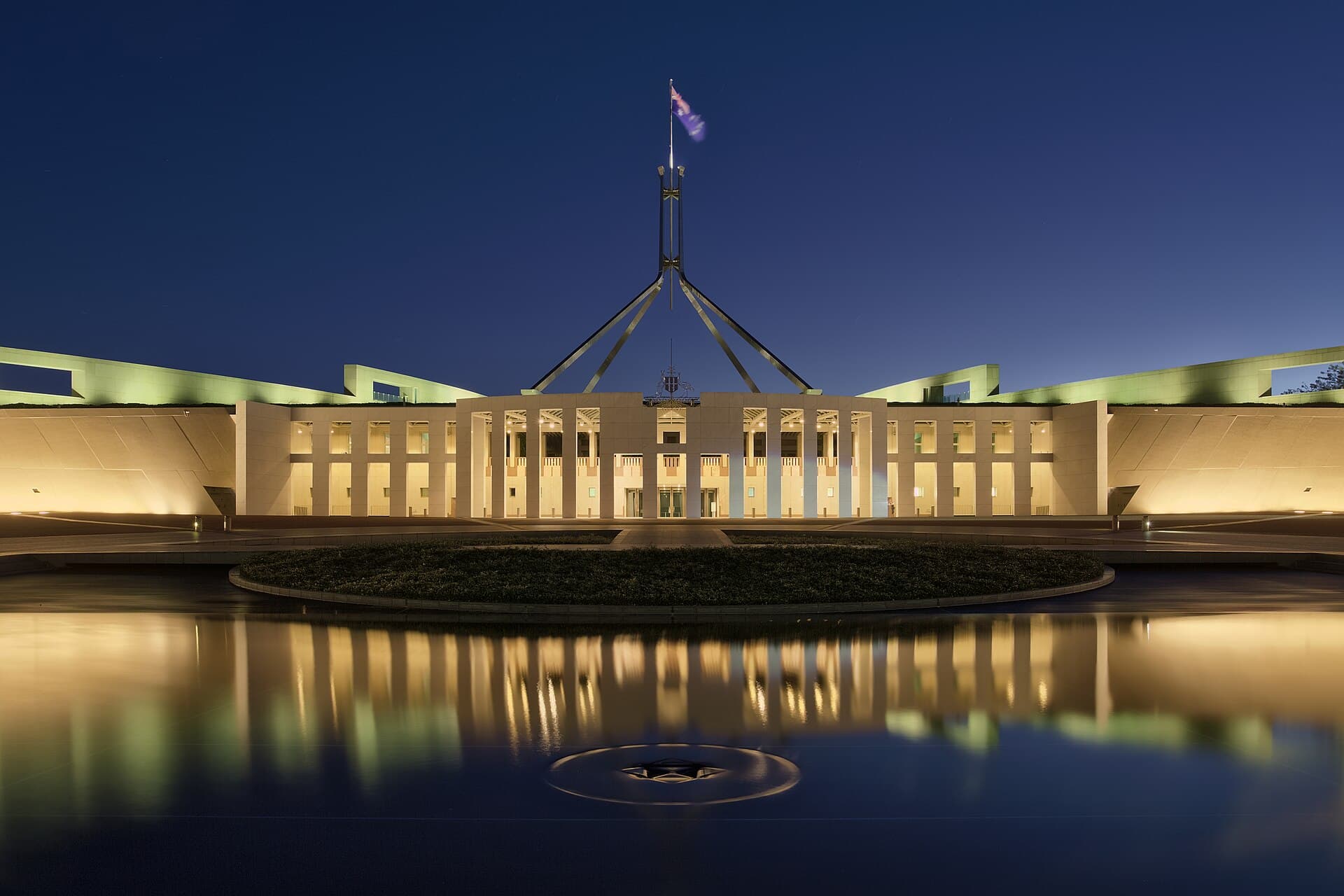
Parliament House in Canberra at dusk, lights on beneath the flag.

Reputation/15 April 2026

Government services branding without the spin

Every machinery-of-government change produces a new logo and a dead URL. Citizens do not need a livelier state. They need the same service to keep its name long enough to be found, and a voice that can give an instruction without sounding like a campaign.

James Okonkwo · 5 min read · Read the essay
Stacked product boxes with bold graphic packaging on a studio surface.

Identity/1 April 2026

Packaging in a two-supermarket country

In Australia the pack is not a lifestyle object. It is a negotiation with two buyers, a hostile aisle and a printer who will not reprint for a 0.3 millimetre poetry. Distinctive is possible. Naive is expensive. Design the pack for the shelf that exists.

Priya Nair · 5 min read · Read the essay

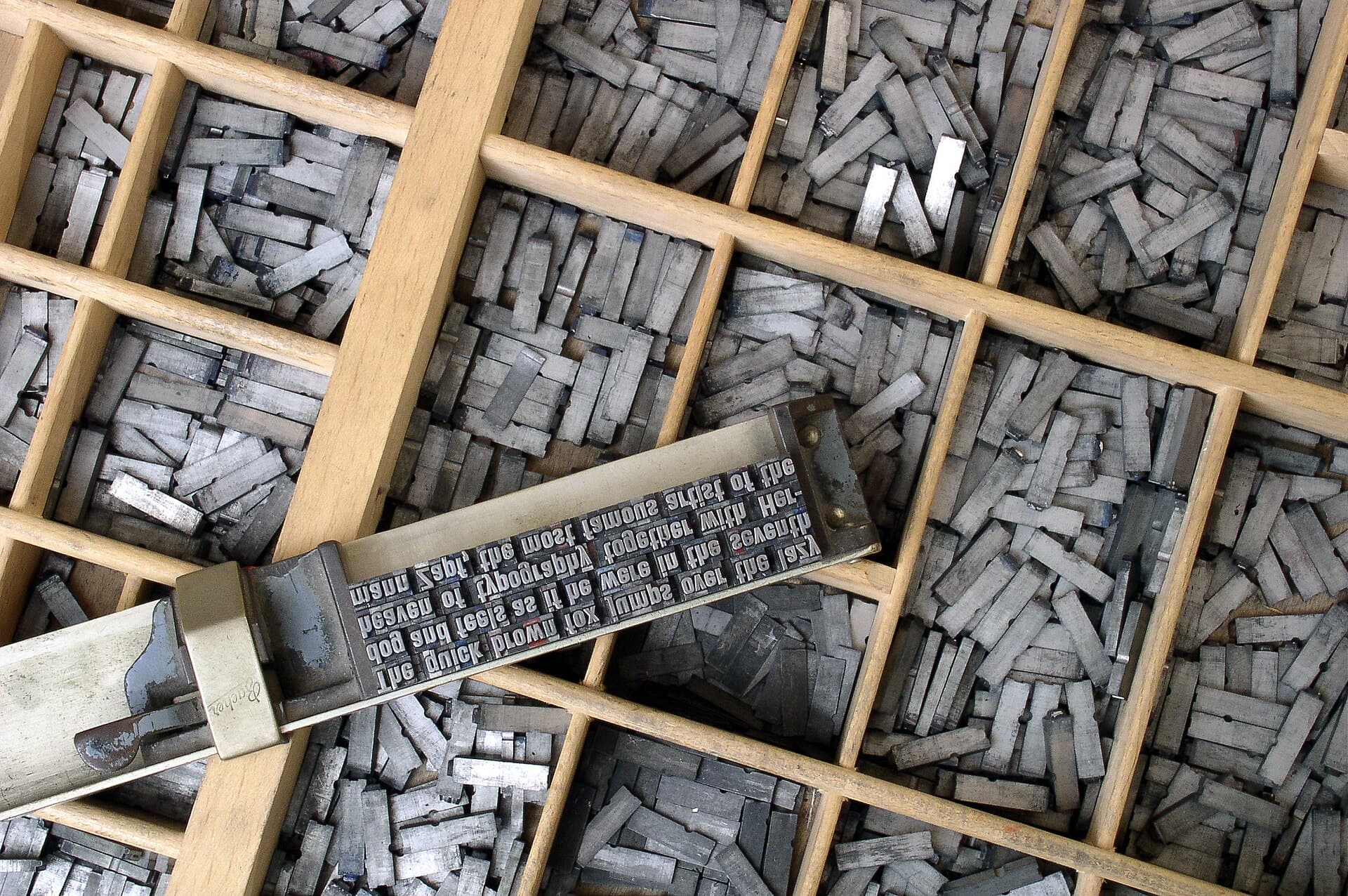
Close-up of metal movable type letters arranged in a case.

Identity/11 March 2026

Typefaces that do not pretend we are in Brooklyn

Australian brands keep buying the same international sans, then adding a slang glossary to prove they are here. Type is a civic choice. It has to work on a form, a fascia and a phone, in a country that already has a typographic climate. Distinctive does not mean imported.

Tom Whittaker · 5 min read · Read the essay

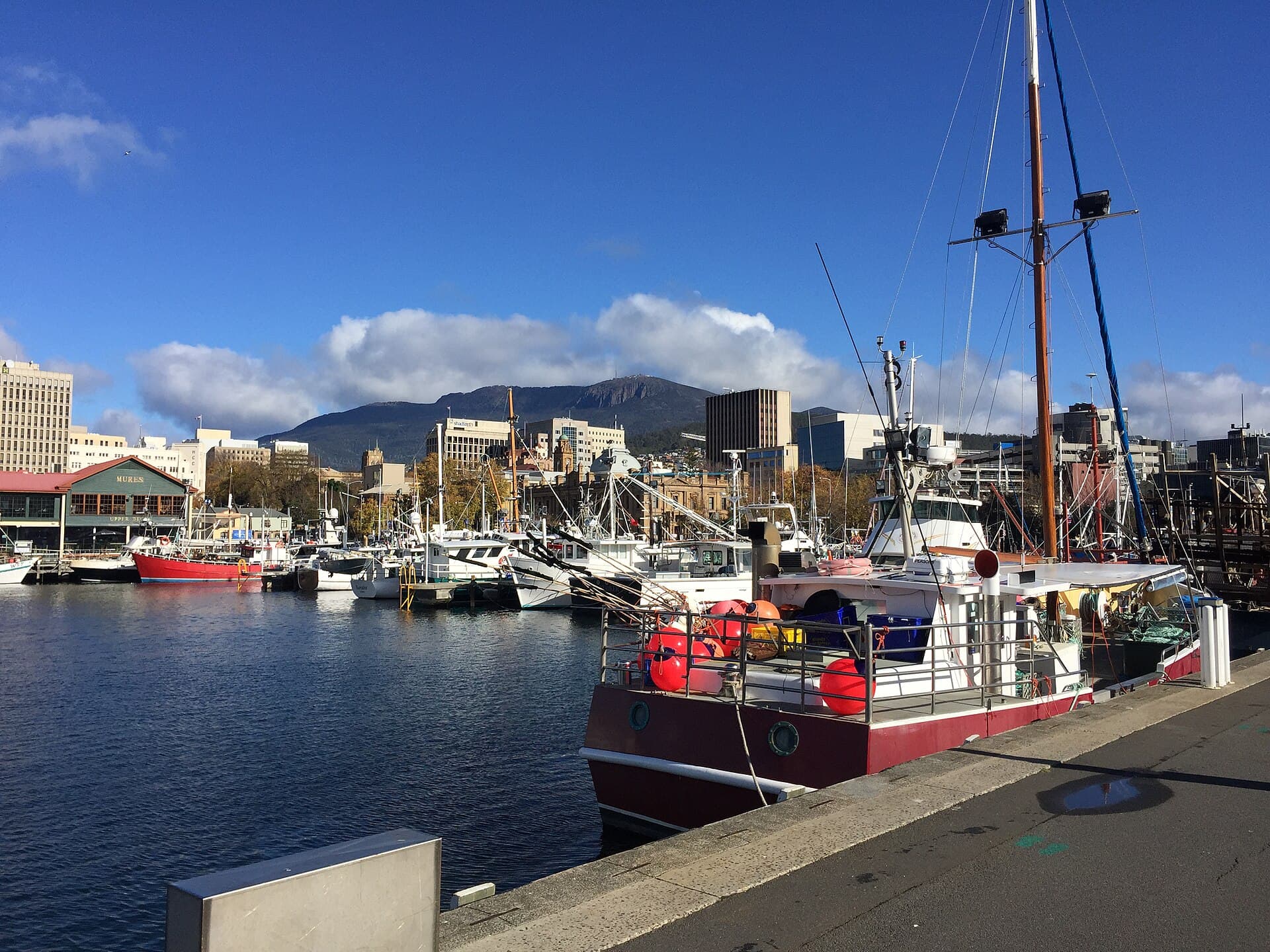
Hobart waterfront warehouses and boats along Sullivan's Cove, with kunanyi / Mount Wellington behind.

Australia/25 February 2026

Regional Australia is not a weekend campaign

A weekend in a regional town is research only if you stay long enough to miss a delivery. Capital-city brands still treat the rest of the country as a media weight and a colour grade. Distribution, trust and local media are the work. The campaign is the easy part.

Aroha Bennett · 9 min read · Read the essay
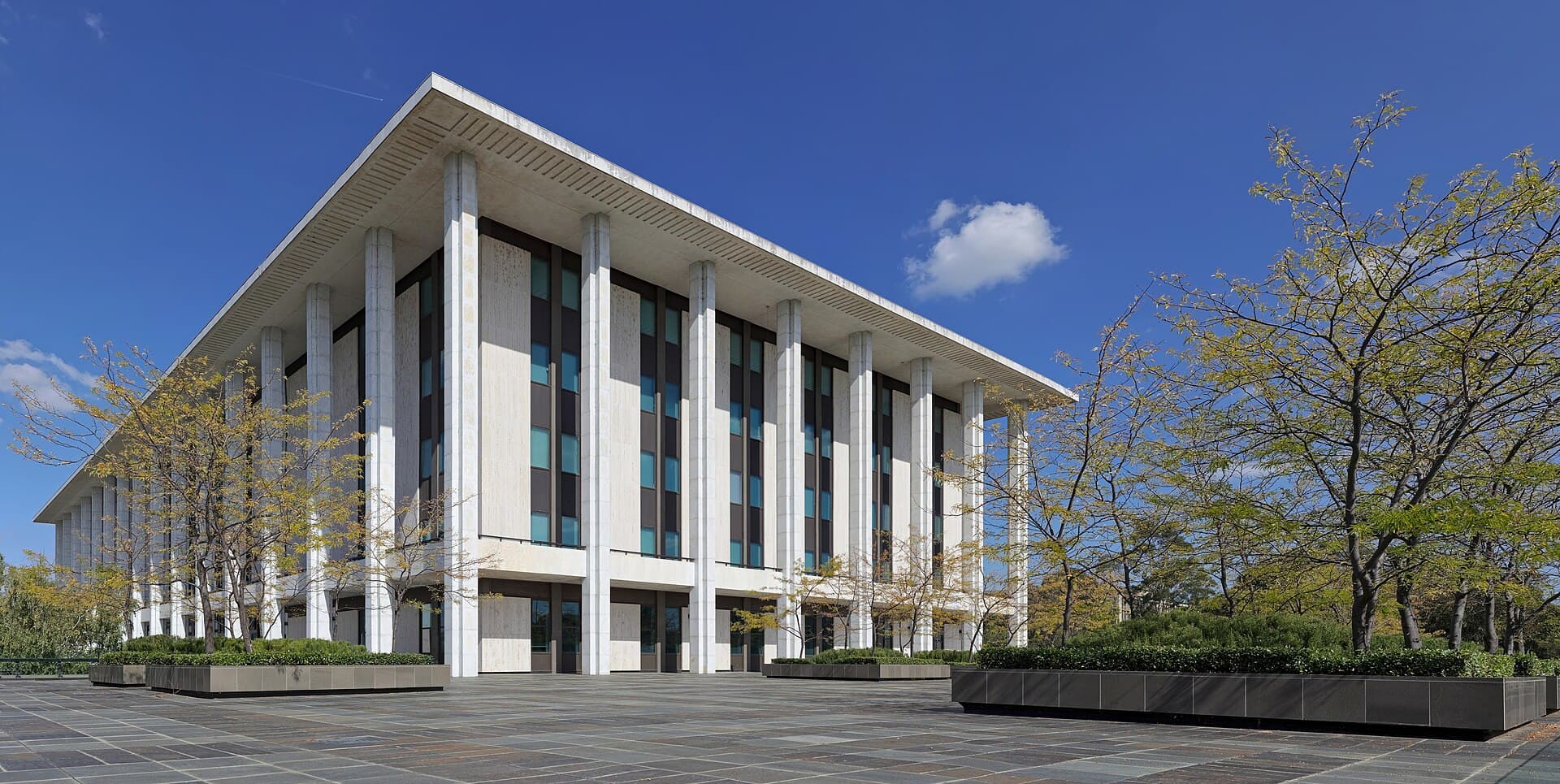
The National Library of Australia in Canberra, its colonnade reflected in still water.

Reputation/25 February 2026

Employer brand is not a careers page

Australian organisations keep buying employer-brand films for roles they cannot roster, pay or manage. The real brand is the shift, the inbox and the story staff tell at a barbecue. If those are ugly, a careers page is an advertisement for a place that does not exist.

James Okonkwo · 5 min read · Read the essay
A supermarket aisle with stocked shelves receding under bright store lighting.

Identity/18 February 2026

Colour systems that survive fluorescent retail

A palette that looks authoritative in a studio will die under a supermarket, a hospital corridor or a service-station canopy. Australian identity work has to specify colour as it will be printed, lit and cheaply reproduced — not as it appears in a well-calibrated deck.

Priya Nair · 5 min read · Read the essay
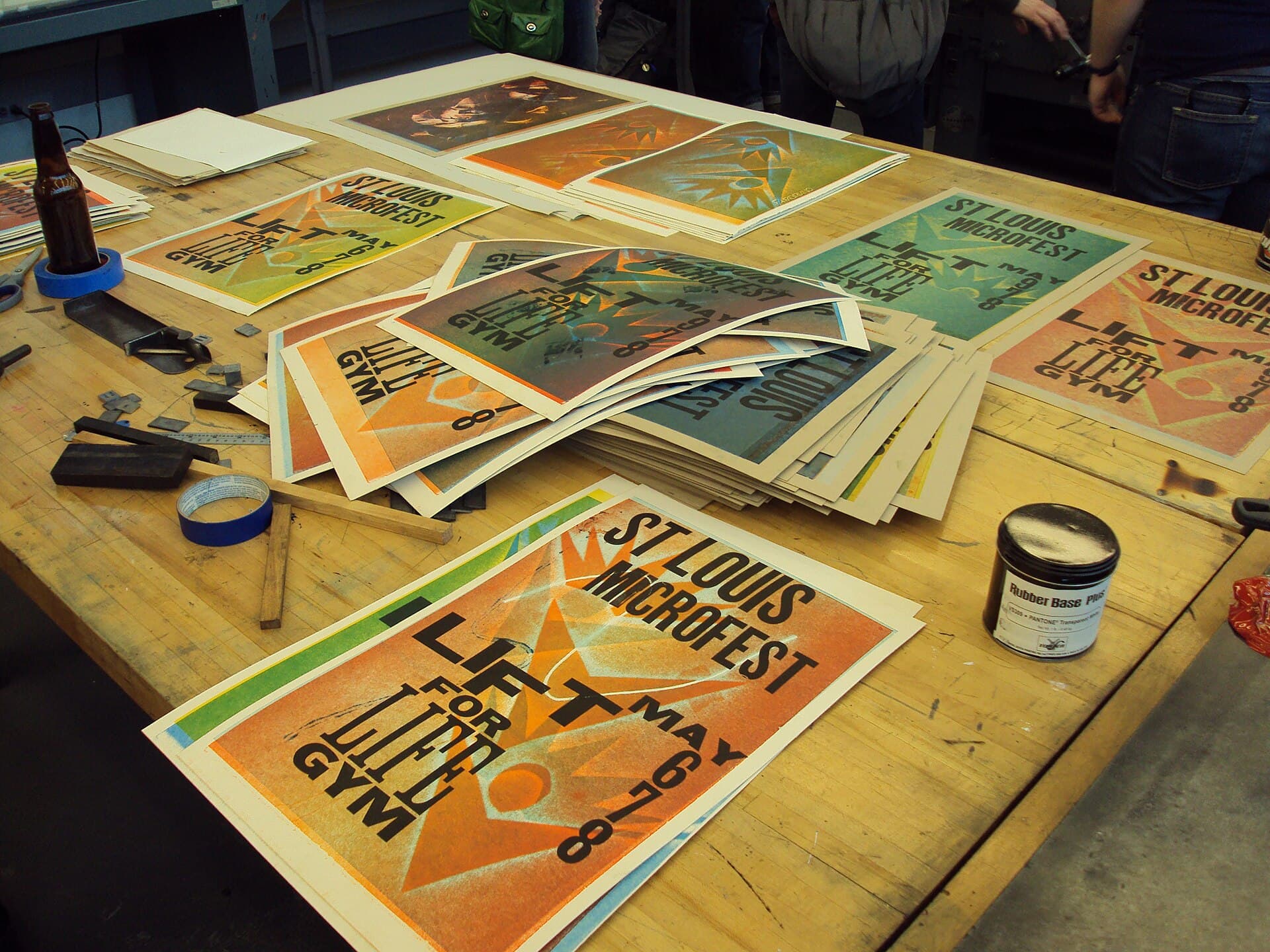
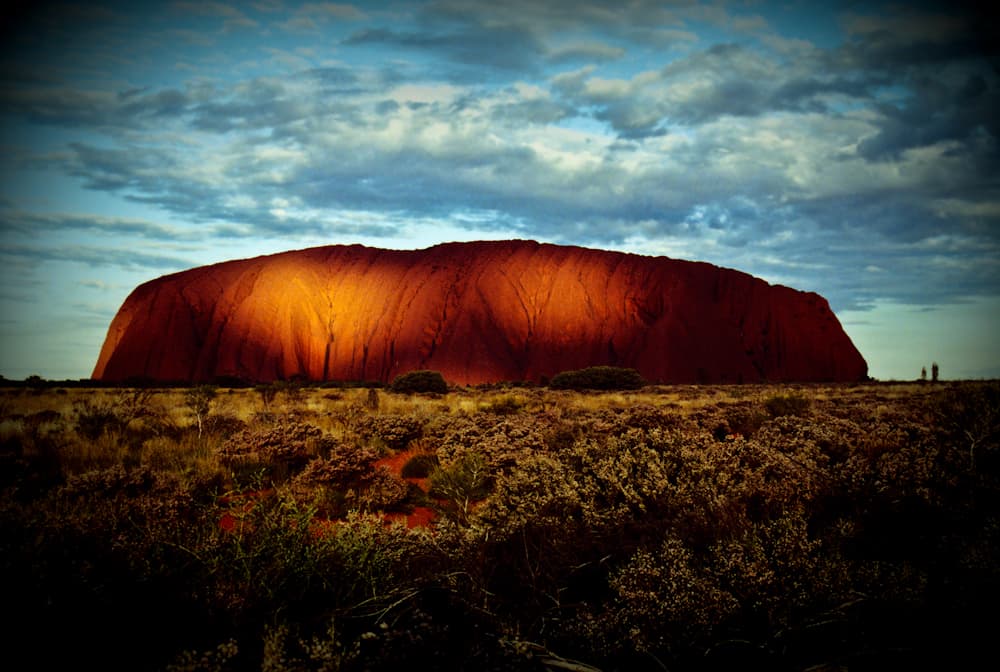
Uluru at dusk on the horizon, seen across red desert vegetation in the Northern Territory.

Australia/28 January 2026

Indigenous cultural IP and brand: protocols, not decoration

Country, language and art are not textures for a campaign. They sit inside Indigenous Cultural and Intellectual Property that Australian copyright only partly covers. True Tracks, AIATSIS and Arts Law exist because brands keep decorating themselves with other people's culture. Protocols first. Then, maybe, a mark.

Aroha Bennett · 10 min read · Read the essay

A graphic designer at a workstation with a large monitor and drawing tablet.

Practice/14 January 2026

What a brand guideline should actually contain

Most Australian brand books are museums of a launch week. A usable guideline is a short set of permissions and refusals a busy person can apply without calling the agency. If it cannot produce a PowerPoint, a van and a tender cover, it is not a guideline. It is a souvenir.

Priya Nair · 5 min read · Read the essay
People working around a table with papers and laptops during a planning meeting.

Strategy/14 January 2026

Rebranding an ASX company without losing the shop floor

A listed-company rebrand can look finished in a board pack and still fail on the shop floor. Continuous disclosure, call-centre scripts and the first Monday after launch decide whether the new identity is a system or a press release. Here is a sequence that survives both.

Marcus Hale · 10 min read · Read the essay
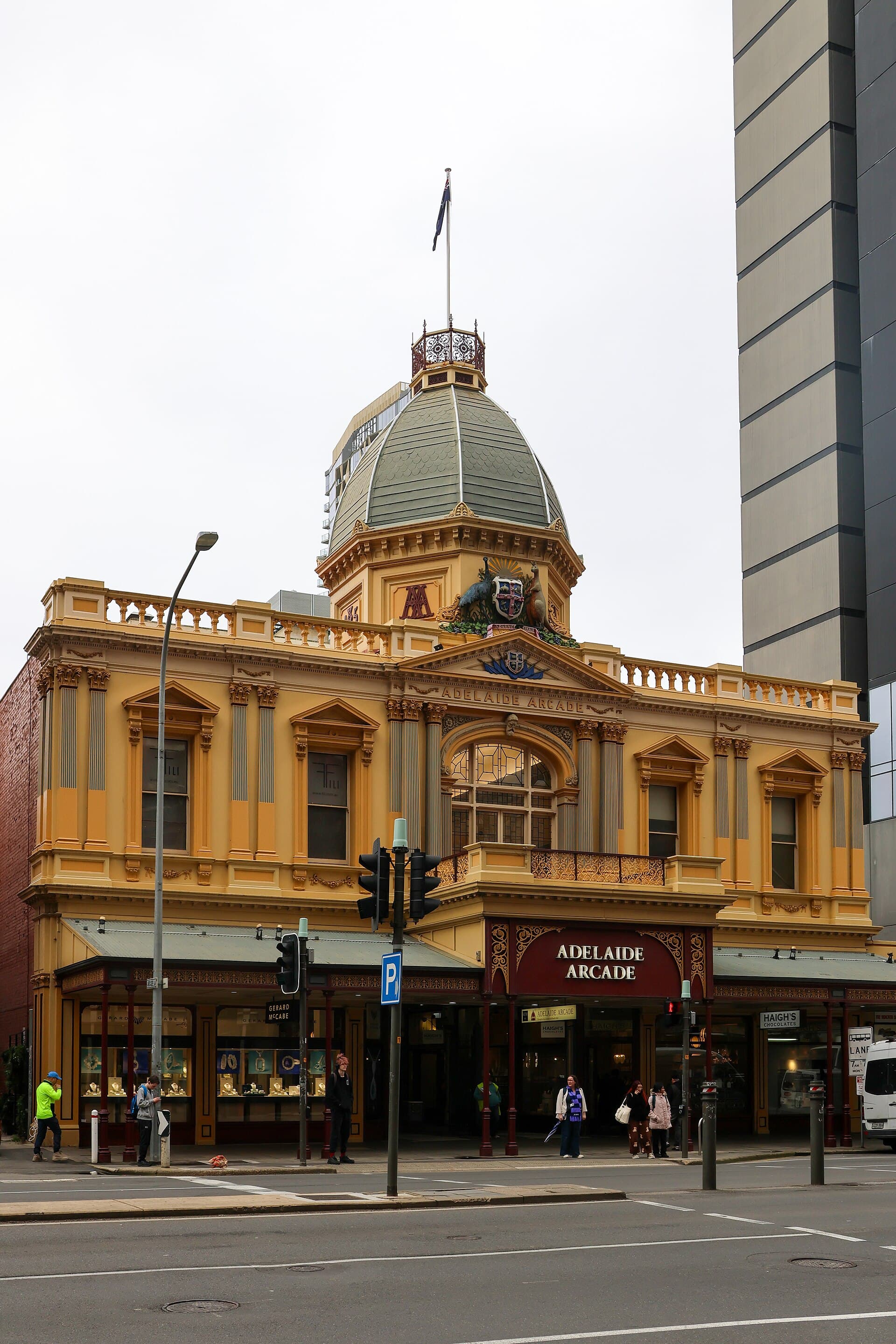
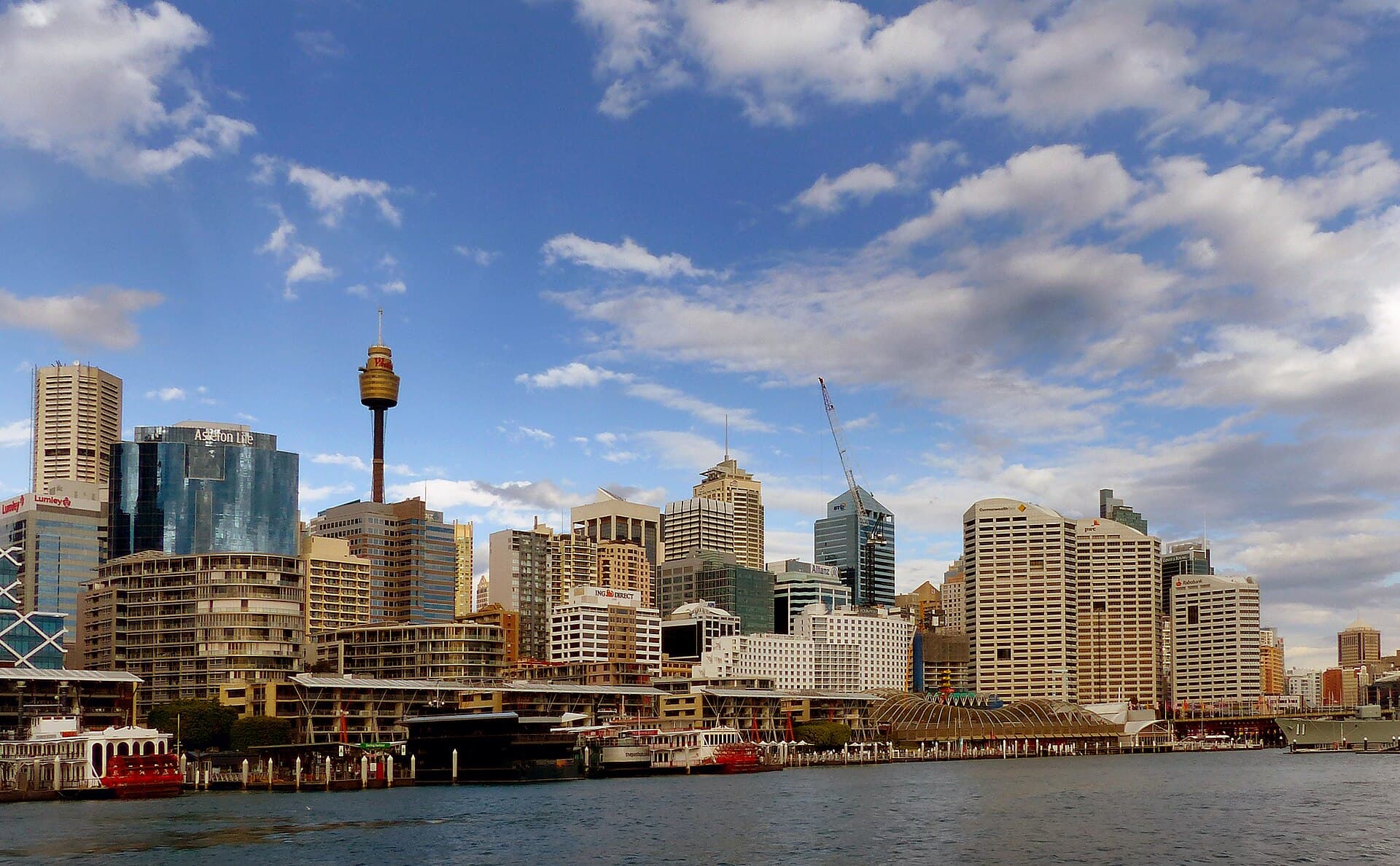
Office towers in central Sydney seen across Darling Harbour.

Reputation/7 January 2026

When the brand is the apology

Australian institutions have become fluent in the apology film and clumsy at the repair. Reputation is not a tone of voice for the week after a failure. It is the operational sequence that makes the apology true — refunds, rosters, a name on a door, and a silence you can defend.

James Okonkwo · 5 min read · Read the essay
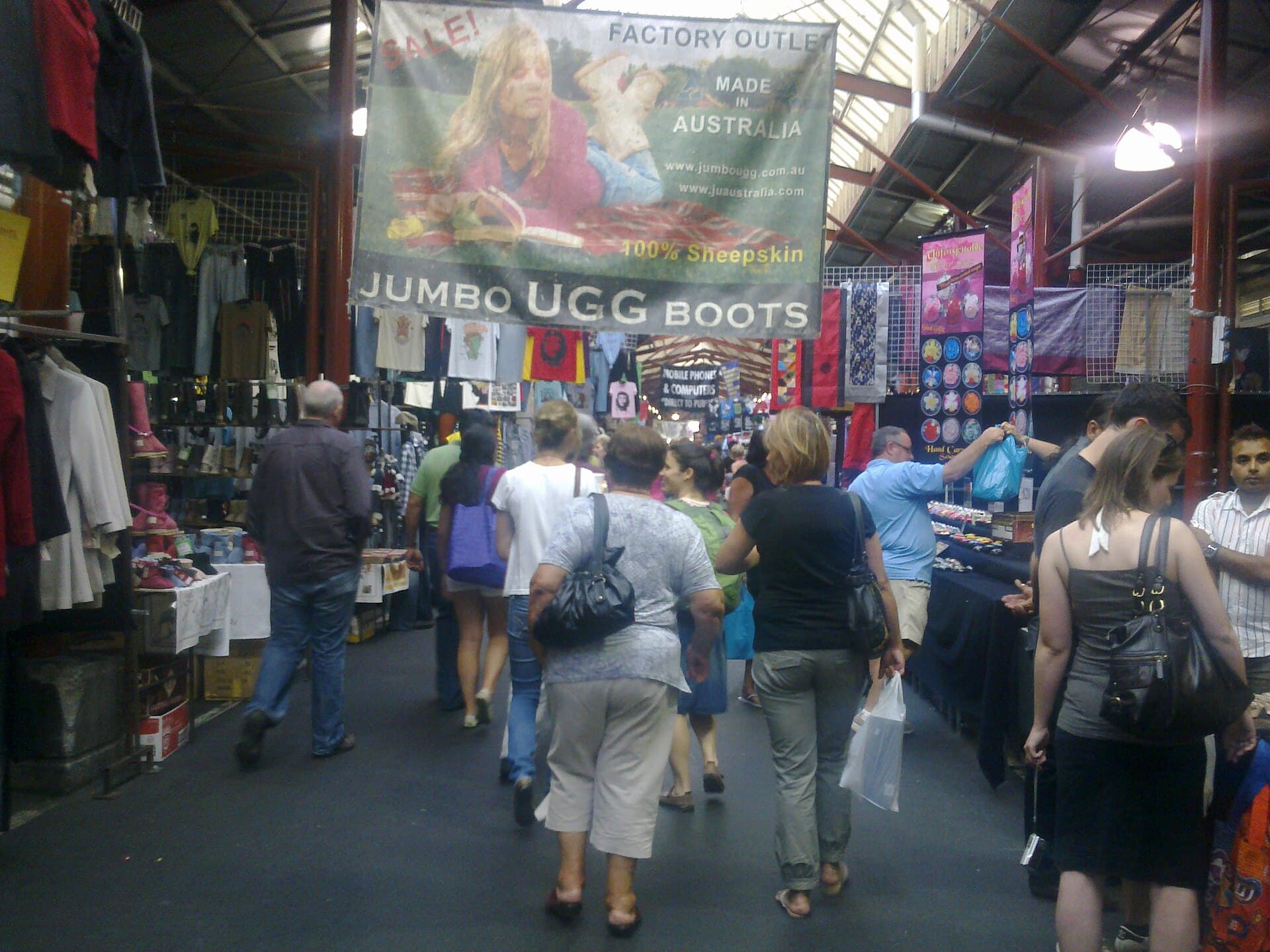
Queen Victoria Market in Melbourne, with shoppers among produce stalls under the historic sheds.

Australia/17 December 2025

What Bunnings taught Australian retail about brand as place

The sausage sizzle and the orange apron are not a brand system. They are what a warehouse decided to be, repeatedly, in suburbs that already had a hardware shop. Australian retail keeps copying the theatre and missing the refusals. Here is what actually transfers — and what is cargo-cult.

Aroha Bennett · 10 min read · Read the essay
People working around a table with papers and laptops during a planning meeting.

Practice/4 November 2025

How to brief an agency so the first round is usable

A brief that asks an agency to 'bring the brand to life' is a request for theatre. The first round is usable when the organisation has already named the audience, the constraint, the proof and what done looks like. Write that page before you book the room.

Elise Tan · 10 min read · Read the essay